









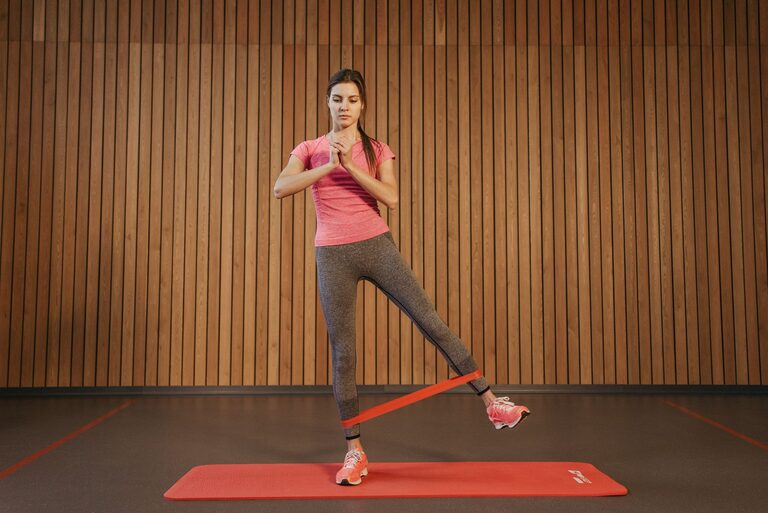
Balance exercises are a simple way to add variety to your weekly activity plan. They can help you practice body control, steady movement, and awareness of your surroundings. Many balance activities require little or no equipment, making them easy to do at home, in a park, or during a break in your day.
You do not need a long workout to get started. A few minutes of focused practice several times a week can fit alongside walking, stretching, strength exercises, or other activities you already enjoy.
Why Add Balance Exercises to Your Routine?
Balance is used in many everyday movements, including stepping over an object, reaching for a shelf, climbing stairs, and changing direction while walking. Balance exercises give you a chance to practice these skills in a controlled setting.
A balanced weekly activity plan can include:
– Walking or other steady movement
– Strength exercises
– Flexibility or mobility work
– Balance practice
– Rest and lighter activity
Balance exercises can also make warmups more engaging and help you pay closer attention to posture and movement. The goal is not to stand perfectly still for a long time. Instead, focus on smooth, controlled movements that match your current ability.
Prepare for Safe Practice
Choose a clear, well-lit area with a firm, level surface. Keep a sturdy chair, countertop, or wall nearby for support. Avoid using a lightweight table, rolling chair, or other unstable object.
Before beginning:
– Wear comfortable clothing and secure footwear.
– Remove loose rugs, cords, and other tripping hazards.
– Start with a short warmup, such as walking in place.
– Move slowly and keep your breathing relaxed.
– Use support whenever you need it.
If an exercise causes pain, dizziness, or unusual discomfort, stop and choose a gentler activity. You can also ask a qualified fitness professional to help you select exercises that match your needs and experience.
Easy Balance Exercises to Try
1. Weight Shifts
Weight shifts are a simple introduction to balance work. They help you practice moving your center of weight without lifting your feet.
Stand with your feet about hip-width apart and keep one hand near a stable support. Slowly shift your weight to the right, then return to the center. Shift to the left and return to the center.
Continue for 30 to 60 seconds. Keep your upper body tall and your movements smooth. As you become more comfortable, try shifting slightly forward and backward while keeping both feet on the floor.
2. Heel to Toe Walk
This exercise resembles walking along a straight line. It encourages controlled steps and attention to foot placement.
Stand near a wall or countertop. Place one foot directly in front of the other, with the heel of the front foot close to the toes of the back foot. Take several slow steps forward, looking ahead rather than down at your feet.
Turn carefully and repeat in the opposite direction. Start with five steps each way. If the position feels too narrow, leave a small gap between your feet.
3. Supported Single Leg Stand
Standing on one leg is a classic balance exercise that can be adjusted to suit your comfort level.
Hold a sturdy support with one or both hands. Shift your weight onto one foot and lift the other foot just slightly off the floor. Hold for five to 10 seconds, then place the foot down and switch sides.
Repeat two or three times per side. To make the exercise easier, keep the toes of the lifted foot lightly touching the floor. To make it more challenging later, use only one hand for support or extend the holding time.
4. Sit to Stand
Sit to stand practice combines balance with controlled leg movement. Use a firm chair that does not slide.
Sit near the front of the chair with your feet flat on the floor. Lean forward slightly and stand up without rushing. Pause briefly, then lower yourself back into the chair with control.
Try five to 10 repetitions. Keep your knees pointing in the same general direction as your toes, and use your hands on the chair or your legs for assistance if needed. Focus on steady movement rather than speed.
5. Step Taps
Step taps help you practice shifting weight and lifting one foot at a time.
Stand facing a low step, book, or other stable object. Keep one hand near a support. Tap the top of the object with one foot, return it to the floor, and then tap with the other foot.
Continue for 30 seconds, moving at a comfortable pace. The object should be low enough that you can step onto it without leaning or reaching. You can also perform the exercise without an object by tapping one foot forward, to the side, and back.
6. Clock Reach
Clock reaches add gentle movement while you stand on one leg or keep both feet on the floor.
Imagine standing in the center of a clock face. With one foot planted, reach the other foot toward 12 o’clock, return to the center, and then reach toward 3, 6, and 9 o’clock. Keep the movement small and controlled.
Begin with both feet on the floor if needed. Hold a support nearby and switch sides after completing the sequence. The exercise is more useful when you maintain control, so avoid reaching farther than you can manage comfortably.
7. Side Steps
Side steps help you practice moving in a different direction from your usual forward walking.
Stand with your feet together and knees relaxed. Step to the right, bring the other foot next to it, and continue for several steps. Then return to the left.
Keep your toes pointing forward and avoid crossing your feet. Try two or three short passes across a clear space. You can add a gentle pause after each step to focus on stability.
Create a Simple Weekly Plan
Balance practice does not need to take up an entire workout. Start with two or three sessions each week, using about five to 10 minutes per session.
Here is one example:
Monday: Basic Control
– Weight shifts: 30 seconds
– Supported single leg stand: two rounds per side
– Sit to stand: eight repetitions
– Side steps: two passes in each direction
Wednesday: Walking and Foot Placement
– Heel to toe walk: five steps forward and back
– Step taps: 30 seconds
– Clock reach: one round per side
– Easy walking: five to 10 minutes
Saturday: Full Practice
– Weight shifts: 30 seconds
– Sit to stand: 10 repetitions
– Supported single leg stand: two rounds per side
– Side steps: three passes in each direction
– Gentle stretching: a few minutes
On other days, you can include regular walking, light strength work, or relaxed mobility exercises. Leave room for rest and avoid turning every session into a demanding workout.
How to Progress Gradually
Once the exercises feel familiar, make only one small change at a time. You might:
– Add five to 10 seconds to a hold.
– Complete one additional repetition.
– Reduce your grip from two hands to one.
– Slow down each movement.
– Use a slightly narrower stance.
– Add a simple direction change.
Always keep a stable support nearby. Closing your eyes, standing on an unstable surface, or adding fast movements can make balance exercises much more difficult. These options are not necessary for a useful routine, so focus first on steady, confident movement.
Make Balance Practice a Habit
The easiest way to stay consistent is to connect balance exercises with an activity you already do. Practice after a short walk, before a shower, or during a regular break from sitting. Keep a chair or countertop available so the exercises are easy to begin.
Track your sessions with a simple note on a calendar. You can record the exercises you completed, how long you practiced, and how steady the movements felt. Over time, this can help you notice progress and choose an appropriate next step.
A few minutes of regular practice can add useful variety to your weekly activity plan. Start with simple exercises, use support when needed, and build gradually as your control and confidence improve.