









Walking is one of the simplest ways to spend more time outdoors and add movement to your day. It does not require complicated equipment, expensive memberships, or a perfect schedule. The key is creating a routine that feels comfortable enough to continue in every season.
Weather, daylight, and daily responsibilities can all affect your plans. With a little preparation, you can adjust your walking habits throughout the year instead of stopping whenever conditions change.
Start With a Routine You Can Maintain
A comfortable walking routine begins with realistic goals. If you are new to regular walks, start with a short session that fits easily into your day. Ten to fifteen minutes may be enough to build consistency. You can gradually add time as walking becomes a familiar part of your schedule.
Choose a time that works well with your energy and responsibilities. Some people enjoy walking before work, while others prefer a lunch break or an evening stroll. The best time is the one you can repeat most often.
Try these simple steps:
– Pick two or three regular walking days.
– Set a starting time and a backup time.
– Begin with a manageable distance or duration.
– Keep your route simple and easy to reach.
– Track your walks on a calendar or in a notebook.
A routine does not need to be perfect. If you miss a walk, return to your schedule the next day without trying to make up for it with an overly long session.
Choose Comfortable Clothing and Shoes
The right clothing can make walking more enjoyable in any weather. Choose shoes that feel secure and comfortable for the surfaces you use most often. If you walk on sidewalks, trails, or uneven paths, consider footwear that suits those conditions.
Comfortable clothing should allow easy movement. In changing weather, layers are often more useful than one heavy item. You can remove a layer when you warm up and add one when the temperature drops.
Keep these basics in mind:
– Wear socks that help keep your feet dry.
– Choose breathable fabrics for warmer days.
– Use light layers in cool weather.
– Select a water-resistant outer layer when rain is possible.
– Consider a hat or other sun protection on bright days.
– Check that loose clothing will not interfere with your movement.
It can help to keep walking clothes in one convenient place. This reduces preparation time and makes it easier to head out when you have a free moment.
Spring: Ease Into Longer Walks
Spring often brings mild temperatures, but it can also include rain, mud, and changing conditions. Use this season to rebuild consistency and explore new routes.
Begin with shorter walks if you have been less active during winter. Choose paths with good drainage, especially after rain. Parks and neighborhood sidewalks may be pleasant, but check for wet leaves, puddles, or uneven ground.
Spring weather can change quickly, so bring a light layer or compact rain jacket when needed. On brighter days, sunglasses and a hat can improve comfort. If seasonal plants affect your comfort outdoors, choose routes with less exposure and walk at a time when conditions feel better.
Spring is also a good time to refresh your walking plan. Try adding one new route each week, or set a simple goal such as visiting a different park or walking through a new neighborhood.
Summer: Plan Around Heat and Sun
Warm weather can make walking enjoyable, but timing and preparation matter. During hot periods, plan walks for the morning or evening, when temperatures are often more comfortable. Look for shaded routes and avoid spending long periods on surfaces that reflect heat.
Wear lightweight clothing and comfortable shoes with good ventilation. Carry water for longer walks, and take breaks when needed. A small bag can hold water, sunscreen, keys, and a phone without adding much weight.
Before leaving, check the weather forecast. If high temperatures, storms, or poor air conditions are expected, move your walk indoors or choose a shorter session. Indoor options may include a shopping center, community facility, or a safe home walking route.
Summer walks can also be more social. Invite a friend, walk with a family member, or join a local group. Conversation can make the time pass quickly, while a shared plan can make it easier to stay consistent.
Fall: Enjoy Cooler Temperatures
Fall is often a comfortable season for walking, with cooler air and colorful scenery. However, shorter days and wet leaves can create new challenges.
If you walk early or late in the day, choose visible clothing and use well-lit routes. A small light or reflective accessory can help others see you in low light. Pay attention to leaves, mud, and other slippery surfaces, particularly after rain.
Fall is a useful time to establish an indoor backup plan before winter arrives. Decide where you will walk when the weather is unpleasant. You can also prepare a few shorter route options, so you do not need to make a decision at the last minute.
Use the season’s scenery to keep your routine interesting. Plan walks near trees, gardens, or local paths that offer changing views. Small details, such as noticing new colors or sounds, can make familiar routes feel different.
Winter: Stay Warm and Flexible
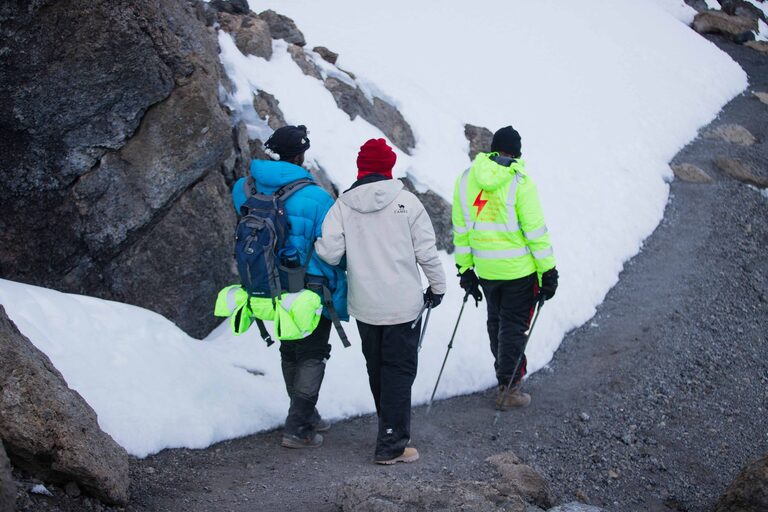
Winter walking requires more preparation, especially in cold, windy, or snowy conditions. Dress in layers and protect areas that lose heat quickly, such as your head, hands, and neck. Choose footwear with a secure fit and good traction for the surfaces you expect to encounter.
Check paths before leaving, and avoid routes that are icy, poorly lit, or difficult to navigate. If conditions are unsafe or uncomfortable, use an indoor alternative instead of forcing an outdoor walk.
A winter routine may need to be shorter or more flexible. You could divide one longer walk into two brief sessions or walk during the warmest part of the day. Keep your expectations realistic and focus on maintaining the habit.
Helpful winter options include:
– Walking inside a shopping center or large public building.
– Using stairs or hallways at home for short movement breaks.
– Taking several brief walks throughout the day.
– Choosing a well-maintained route close to home.
– Planning indoor walks for stormy or icy days.
Make Walking More Enjoyable
Comfort is not only about clothing and weather. Your surroundings and activities can also influence whether you look forward to walking.
Create a small list of walking ideas for days when your usual route feels dull. You might listen to music, an audiobook, or a podcast, provided it is safe for your surroundings. You can also use walks to take photos, notice local architecture, or visit a nearby shop or library.
For added variety, try:
– A scenic weekend route.
– A quiet weekday walk.
– A walk with a friend.
– A short errand on foot.
– A route with benches or rest points.
– A nature walk in a nearby park.
Keep the routine enjoyable rather than treating every walk as a test of distance or speed.
Prepare for Changing Conditions
A seasonal walking routine works best when you plan for interruptions. Keep a few basic items ready, such as a light jacket, water bottle, hat, or reflective accessory. Check forecasts before longer walks and let conditions guide your choices.
Most importantly, give yourself permission to adjust. A shorter walk still supports your routine. An indoor walk still counts. The goal is to create a habit that fits your life throughout the year.
By choosing realistic goals, dressing for the weather, and keeping backup options available, you can make walking a comfortable part of every season.