









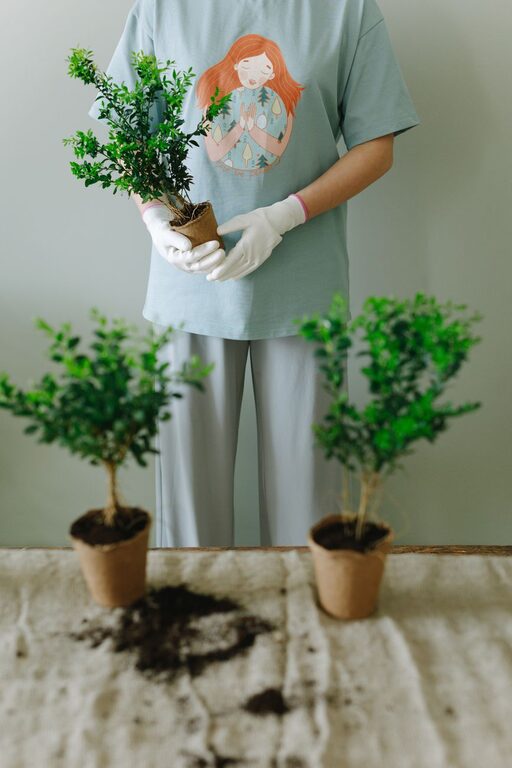
Gardening can be a relaxing hobby, but it also offers plenty of natural movement. Digging, carrying soil, raking leaves, planting seedlings, and walking between garden areas all keep you active while helping you improve your outdoor space.
The best projects are practical, enjoyable, and easy to adjust to your available time and energy. Whether you have a large backyard, a small patio, or a sunny windowsill, these ideas can help you spend more time moving at home.
Why Choose Movement-Friendly Gardening Projects?
Many garden tasks involve simple movements that add variety to your day. You may bend to plant flowers, reach to trim herbs, walk while watering containers, or lift small loads of compost. Unlike a single repetitive chore, gardening lets you change positions and work at a comfortable pace.
Movement-friendly projects also give you a clear result to work toward. A finished planting bed, refreshed container garden, or tidy path provides a visible reward for your effort.
Before starting, gather the right tools and plan a manageable work area. Keep frequently used items nearby, use containers that are easy to move, and divide larger projects into smaller steps.
Build a New Planting Bed
Creating a planting bed is one of the most active garden projects. It may include measuring, clearing grass, loosening soil, adding compost, and placing plants.
How to get started
- Choose a location with suitable sunlight and access to water.
- Mark the outline with string, a hose, or garden stakes.
- Remove weeds, grass, rocks, and other unwanted material.
- Loosen the soil with a garden fork or hand tool.
- Add compost or garden soil as needed.
- Plant flowers, herbs, vegetables, or a mix of all three.
- Finish with a layer of mulch to help the bed look tidy.
A smaller bed is often easier to complete in one or two sessions. If you want a larger space, create it in sections. This approach keeps the project organized and gives you several opportunities to work outdoors.
Create a Container Garden
Container gardening is a flexible option for patios, balconies, porches, and small yards. It involves choosing pots, filling them with growing material, arranging plants, and maintaining them throughout the season.
Moving between containers adds walking to the project, while filling pots and positioning them involves light lifting and reaching. You can also refresh the arrangement when a plant finishes blooming or the seasons change.
Try combining containers in different sizes:
- Use tall pots for plants that add height.
- Place medium containers near seating areas or entryways.
- Use small pots for herbs, seedlings, or colorful accents.
- Group plants with similar light and water needs.
Choose containers with drainage holes and avoid making them too heavy to move safely. If a large pot is difficult to lift, place it on a wheeled plant stand before adding soil.
Plant a Kitchen Herb Garden
A herb garden is a useful project that can keep you moving during setup and maintenance. You can grow herbs in a raised bed, window box, container, or small corner of a larger garden.
Start by preparing the growing area and selecting herbs suited to your local conditions. Common choices include basil, parsley, chives, mint, thyme, rosemary, and cilantro.
Arrange the plants so you can easily reach them for watering and harvesting. A small herb garden may require regular walks outside, light pruning, and occasional replanting. These brief tasks are easy to fit into a daily routine.
For a simple design, place taller herbs toward the back and shorter herbs near the front. Add plant labels to make the space more organized and easier to manage.
Refresh a Garden Path
A garden path can make your outdoor space more useful while creating a reason to walk through it regularly. Paths can connect a patio to a planting bed, lead to a compost area, or create a route around a lawn.
You can use materials such as:
- Wood chips
- Gravel
- Flat stones
- Brick or pavers
- Stepping stones
To build a basic path, outline the route, remove weeds and uneven material, and prepare the surface. Add the chosen material in layers, checking that the path remains stable and comfortable to use.
A path does not need to be long to be useful. Even a short loop around a garden bed can encourage more movement as you water plants, check for weeds, or collect vegetables.
Set Up a Compost Area
Composting turns many household and garden scraps into a useful soil amendment. Building and maintaining a compost area can involve clearing a space, assembling a bin, adding materials, and turning the pile.
Choose a location with good airflow and convenient access. A compost bin can be purchased or made from simple materials, depending on your space and local guidelines.
Add a balance of plant-based kitchen scraps, grass clippings, dry leaves, and other approved materials. Turning the pile with a garden fork helps mix the contents and keeps the material arranged.
Keep the bin close enough to reach without carrying waste across the entire yard. You can also place a small covered container in the kitchen and empty it outdoors when full.
Make a Pollinator-Friendly Corner
A pollinator-friendly garden adds color and encourages you to spend time observing and caring for plants. Select a variety of flowers that bloom at different times, and include plants with different heights and shapes.
A simple project might include:
- Clearing a small patch of ground.
- Adding compost or improving the soil.
- Planting several flower varieties.
- Adding a shallow water source, if appropriate.
- Installing a small sign or plant marker.
Maintaining the area may involve watering, removing competing weeds, trimming finished blooms, and adding new plants. Choose sturdy plants that suit your growing conditions so the space remains manageable.
Build a Trellis or Vertical Garden
Vertical gardening makes use of walls, fences, railings, and other upright surfaces. It is a practical choice when ground space is limited.
You can build a simple trellis from wood, bamboo, or sturdy garden supports. Use it for climbing flowers, peas, beans, cucumbers, or decorative vines. A wall-mounted pocket garden can hold herbs and compact plants.
The project includes measuring, assembling, securing, filling, and planting. It also creates ongoing tasks as you guide vines, tie stems, and harvest produce.
Make sure the support is firmly attached and strong enough for mature plants. Leave enough space between the garden and nearby surfaces for air circulation and maintenance.
Plan a Seasonal Garden Checklist
A checklist turns gardening into a series of short, active projects instead of one large task. Divide your list by season or month, and choose only a few priorities at a time.
Your checklist might include:
- Preparing beds and containers.
- Starting seeds or planting young plants.
- Spreading mulch.
- Cleaning and organizing tools.
- Pruning selected plants.
- Collecting leaves and garden debris.
- Harvesting herbs, fruits, and vegetables.
- Refreshing outdoor seating areas.
Keep the list visible in a shed, garage, or garden notebook. Checking off completed tasks can make routine maintenance feel more purposeful.
Work at a Comfortable Pace
Gardening should be enjoyable and sustainable. Start with projects that match your available space, tools, and time. Warm up with easy tasks, take regular breaks, and switch between activities instead of staying in one position for too long.
Use a cart or wheelbarrow for heavier supplies, and choose smaller bags of soil when possible. Keep pathways clear, wear suitable footwear, and store tools safely after each session.
The goal is not to finish everything in one day. By dividing projects into manageable steps, you can keep moving throughout the week while steadily creating a more useful and inviting garden.